
Discovering the Art of Coffee Cupping: A Beginner's Guide
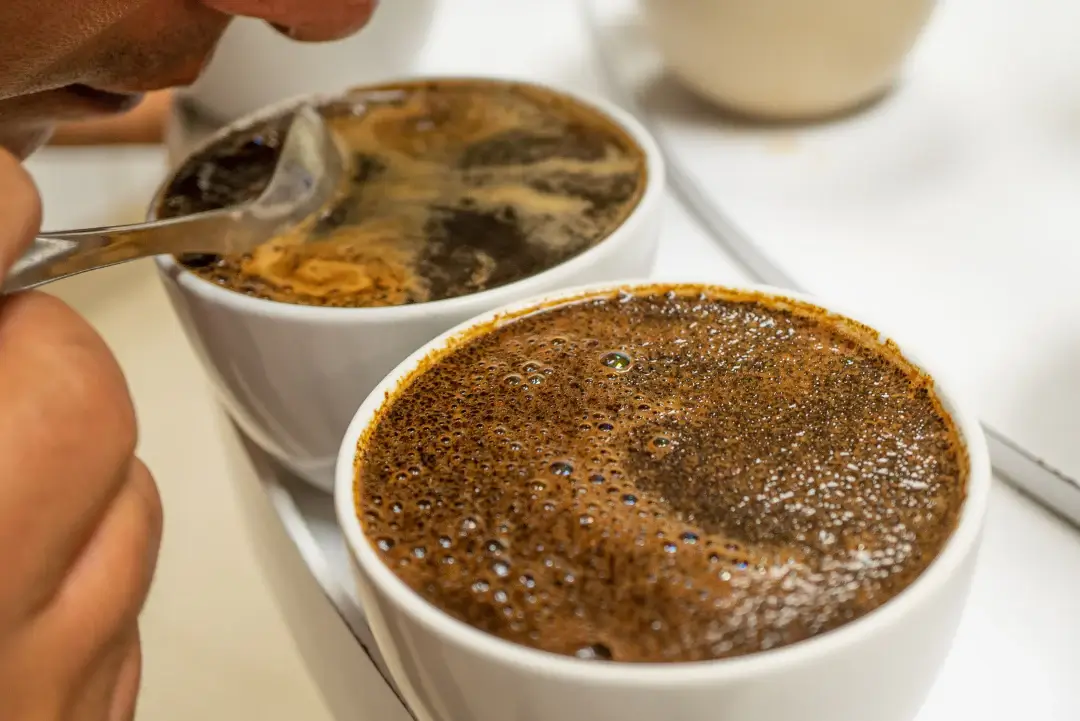
/images/descubriendo-el-arte-de-catar-cafe-una-guia-para-principiantes.webp or change the attribute src of this image.Cupping coffee is much more than simply drinking a cup of coffee. It is immersing yourself in a world of aromas, flavors, and textures, exploring the complexities of coffee beans and how they combine to create a unique experience in every cup.
For beginners who want to dive into this fascinating world, here is a basic guide to cupping coffee.
Selecting Coffee Beans:
Start by choosing a variety of high-quality coffee beans. You can pick beans from different regions and quality levels, such as high-altitude coffees from Chiapas, Oaxaca, and Veracruz, arabicas, robustas, decaffeinated, and so on, to experience a wide range of flavor profiles.
Preparing the Coffee:
Use a brewing method that highlights the unique characteristics of each coffee. The method most commonly used for coffee cuppings is the pour method. To do it, grind 13.7 grams of coffee, place it in a cup, and pour in 250 milliliters of water just off the boil. Let it rest for about 4 minutes so the coffee releases as many flavors and aromas as possible.
Initial Aromas:
Once the 4 minutes have passed, remove the layer of foam that forms on top of the cup. Now that the coffee is ready, bring your nose close to the cup and inhale deeply. Try to identify the initial aromas coming off the coffee. You may detect notes of caramel, fruit, spices, or nuts.
Visual Evaluation:
Observe the color and clarity of the coffee. Is it dark and opaque or clear and translucent? A dark coffee may indicate a more intense roast, while a light coffee may be more delicate in flavor.
Tasting the Coffee:
Take a small sip of coffee and swirl it around your mouth, letting all the flavors and aromas unfold on your palate. Pay attention to the acidity, the body, and the overall flavor of the coffee. Is it acidic or smooth? Does it have a light or heavy body? Can you identify specific flavors, such as chocolate, citrus, or fruit?
It is recommended to keep a cup with only hot water nearby so you can rinse the spoon after each sip and avoid mixing flavors between cups.
Aftertaste:
After swallowing the coffee, pay attention to the aftertaste it leaves in your mouth. Do the flavors linger for a long time or disappear quickly? The aftertaste can give you clues about the quality and complexity of the coffee.
Comparing Coffees:
To improve your ability to cup coffee, try different varieties side by side and compare their flavor profiles. This will help you develop your palate and appreciate the subtle differences between coffees.
Taking Notes:
Keep a tasting journal where you can record your experiences with different coffees. Write down the aromas, flavors, body, and aftertaste of each coffee you try. This will help you remember your preferences and refine your tasting skills over time.
Continuous Experimentation:
Don't be afraid to experiment with different brewing methods, coffee varieties, and roast levels. Coffee cupping is a journey of constant discovery, and every cup gives you the chance to learn something new about this exciting world.
Conclusion:
Cupping coffee is a rewarding sensory experience that lets you explore the diversity and complexity of coffee. With practice and patience, you can develop your palate and become a coffee taster. So go ahead, dive into the coffee world and enjoy the journey!